
What is Applied Behavior Analysis (ABA)?
Applied Behavior Analysis (ABA) is an evidence-based approach to understanding behavior and teaching meaningful, functional skills. ABA focuses on identifying the reasons behaviors occur and using individualized interventions to increase skills that improve independence, communication, learning, and quality of life.
Rather than using a one-size-fits-all approach, every treatment plan is carefully designed around each child’s unique strengths, needs, interests, developmental level, and family goals. ABA can support children in developing communication, social interaction, play skills, emotional regulation, adaptive living skills, self-help skills, and independence while reducing behaviors that interfere with learning and daily life.
Our goal is not simply to reduce challenging behaviors—we strive to help children build the skills they need to participate more successfully at home, school, and within their community.
How Can ABA Help My Child?
Every child is different, which is why treatment is individualized to meet each family’s priorities and goals. ABA services may help children:
- Develop functional communication skills, including spoken language, AAC devices, sign language, or picture communication systems.
- Increase social interaction and peer engagement.
- Improve play and leisure skills.
- Build independence with daily living skills such as toileting, dressing, feeding, and hygiene.
- Increase attention, learning readiness, and participation during structured activities.
- Strengthen emotional regulation and coping skills.
- Improve flexibility during transitions and changes in routine.
- Learn school readiness and classroom participation skills.
- Reduce behaviors that interfere with learning, communication, or safety.
- Generalize newly learned skills across home, school, community, and social environments.
Who Provides ABA Services?
Our clinical team is led by highly qualified professionals committed to providing compassionate, ethical, and evidence-based care.
Board Certified Behavior Analysts (BCBAs) & Board Certified Behavior Analysts–Doctoral (BCBA-Ds)
BCBAs and BCBA-Ds conduct comprehensive assessments, develop individualized treatment plans, analyze progress data, train caregivers, and provide ongoing supervision of treatment. They regularly evaluate each child’s progress and modify programming to ensure interventions remain effective and meaningful.
Registered Behavior Technicians (RBTs)
RBTs provide direct one-on-one therapy under the close supervision of a BCBA or BCBA-D. They implement individualized treatment plans, collect treatment data, teach new skills, and help children practice those skills across a variety of natural environments.
Ongoing Clinical Supervision
Quality supervision is a cornerstone of our services. Our BCBAs provide frequent on-site supervision, direct observation, caregiver collaboration, staff training, and treatment modifications to ensure each child receives consistent, high-quality care and continues making meaningful progress.
Where Are Services Provided?
Children learn best when they can practice skills where they naturally occur. For this reason, we provide services across multiple settings based on each child’s individual needs.
Clinic-Based Services
Our clinic provides a structured learning environment where children can develop communication, social, adaptive, and behavioral skills while participating in both individual and group learning opportunities.
School-Based Services
Working alongside educators and school staff, we support children within their educational environment to improve classroom participation, communication, social interaction, independence, and successful inclusion within school routines.
Community-Based Services
Children benefit from learning skills where they will use them every day. Community sessions provide opportunities to practice communication, safety awareness, social skills, adaptive living skills, and independence in real-world settings.
We believe meaningful progress occurs when children have opportunities to use their skills across every environment that matters most to them. Our goal is to promote inclusion, independence, and participation within their home, school, and community.
Collaborative, Interdisciplinary Care
Successful treatment happens when everyone works together.
We believe families achieve the best outcomes through collaboration among all members of a child’s support system. Our clinicians regularly communicate with teachers, speech-language pathologists, occupational therapists, pediatricians, psychologists, and other providers to ensure treatment goals are coordinated and consistent across settings.
This collaborative approach helps maximize skill generalization, reduce conflicting treatment strategies, and provide children with comprehensive, well-rounded care that supports every aspect of their development.
Our Commitment to Families
Parents and caregivers are the most important members of their child’s treatment team.
We believe that lasting progress happens when families are equipped with the knowledge and confidence to support their child’s growth beyond therapy sessions. Throughout treatment, caregivers actively participate in parent training sessions that focus on teaching practical, evidence-based strategies they can use during everyday routines and real-life situations.
Parent training includes:
- Understanding your child’s diagnosis and individual learning profile.
- Learning effective behavior management strategies.
- Building communication and social opportunities throughout the day.
- Increasing independence at home.
- Supporting emotional regulation and coping skills.
- Generalizing newly learned skills across home, school, and community settings.
- Developing confidence in responding to challenging behaviors using evidence-based interventions.
Our goal is to empower families—not simply provide therapy. We want every caregiver to leave sessions with practical tools, ongoing support, and confidence in helping their child continue making progress long after therapy ends.
At Southern Behavioral Health, we view parents as true partners in treatment. Together, we celebrate successes, overcome challenges, and create meaningful opportunities for children to thrive in every area of their lives.
About Dr. Litten
Dr. Litten is a Board Certified Behavior Analyst. She earned her Bachelor of Science in Psychology from the University of Southern Mississippi before completing both her master’s and doctoral training in Applied Behavior Analysis and School Psychology. She completed her pre-doctoral internship at the Kennedy Krieger Institute, affiliated with Johns Hopkins School of Medicine in Baltimore, Maryland. During her internship, Dr. Litten worked in the Pediatric Developmental Disorders Clinic, where she conducted behavioral assessments and provided behavioral intervention services to children diagnosed with Autism Spectrum Disorder and other developmental disabilities, as well as their families. She also trained in the Pediatric Feeding Disorders Clinic, conducting comprehensive assessments for children and adolescents with feeding difficulties and providing both inpatient and outpatient behavioral feeding therapy as part of an interdisciplinary team. Dr. Litten’s approach to assessment and treatment is grounded in the principles of Applied Behavior Analysis and incorporates a strengths-based perspective. She has extensive experience conducting comprehensive behavioral assessments and providing evidence-based interventions for a wide range of concerns, including tantrums, noncompliance, sleep difficulties, habits and tics, social skill deficits, toileting challenges, mild self-injurious behavior, feeding difficulties, disruptive behaviors, aggression, elopement, and anxiety.
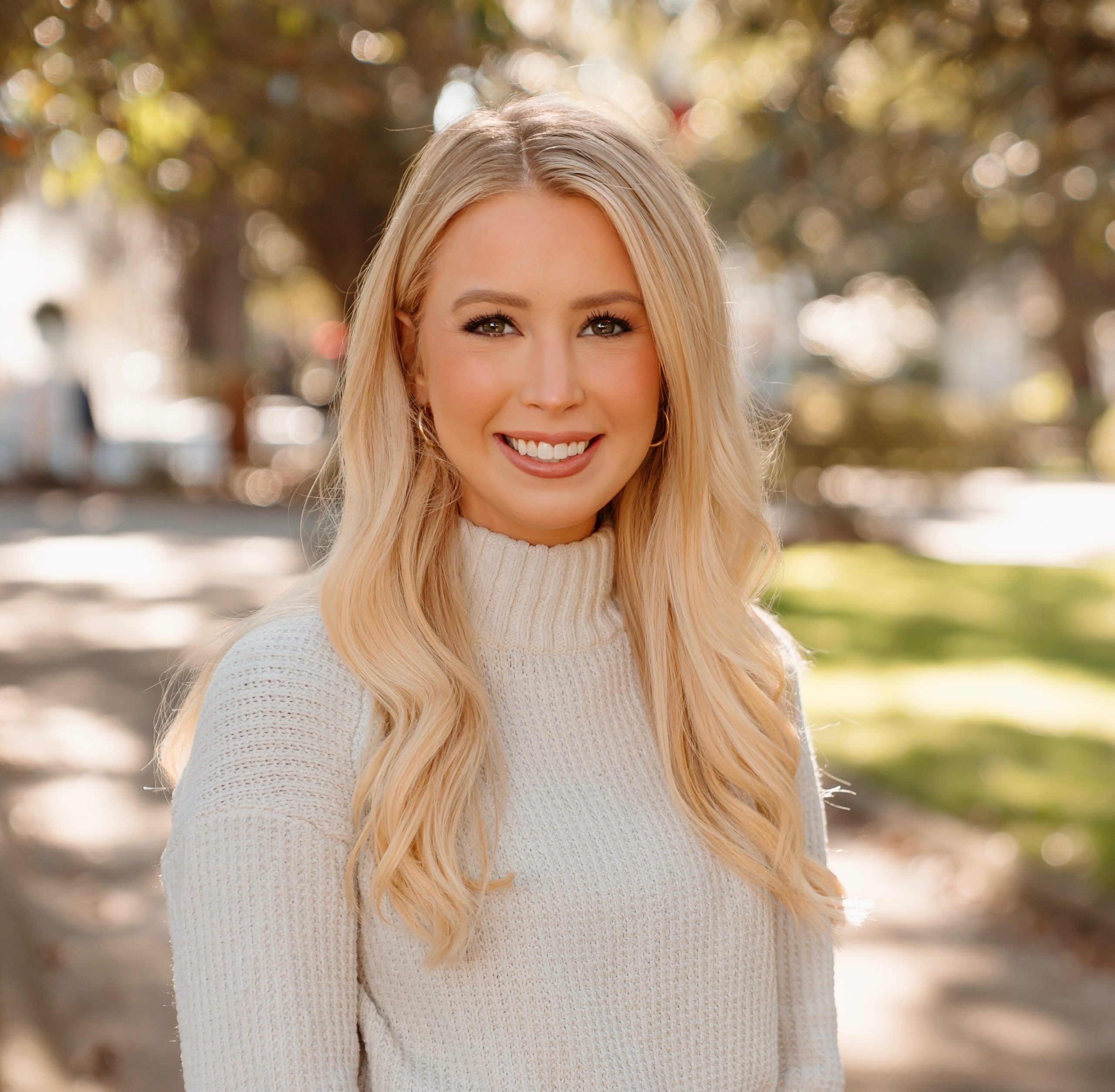
Sarah Litten Ph.D., BCBA-D